Home / Projects / Tiny House Community
Tiny House Community
A low-impact community integrated into a biodiverse permaculture farm — balancing nature by helping people reconnect with the land, with others, and with themselves.
Big Ideas, Real Impact
Over the last two generations, we have industrialized our food production — and with it, our connection to the land — to the point where less than one percent of the population farms today, compared to nearly half just two generations ago. With that shift, we've lost a generation of people with a connection to the land, people who understood how our food is produced.
We've gotten away from what was essential to our being for thousands of years, and become dangerously disconnected from nature and sustainable farming practices.
This farm is designed to find a balance — reconnecting with nature, permaculture, biodiverse farming — and to re-engage our community and educate through experience. The Tiny Home Community is at the heart of that mission.
Community Concept
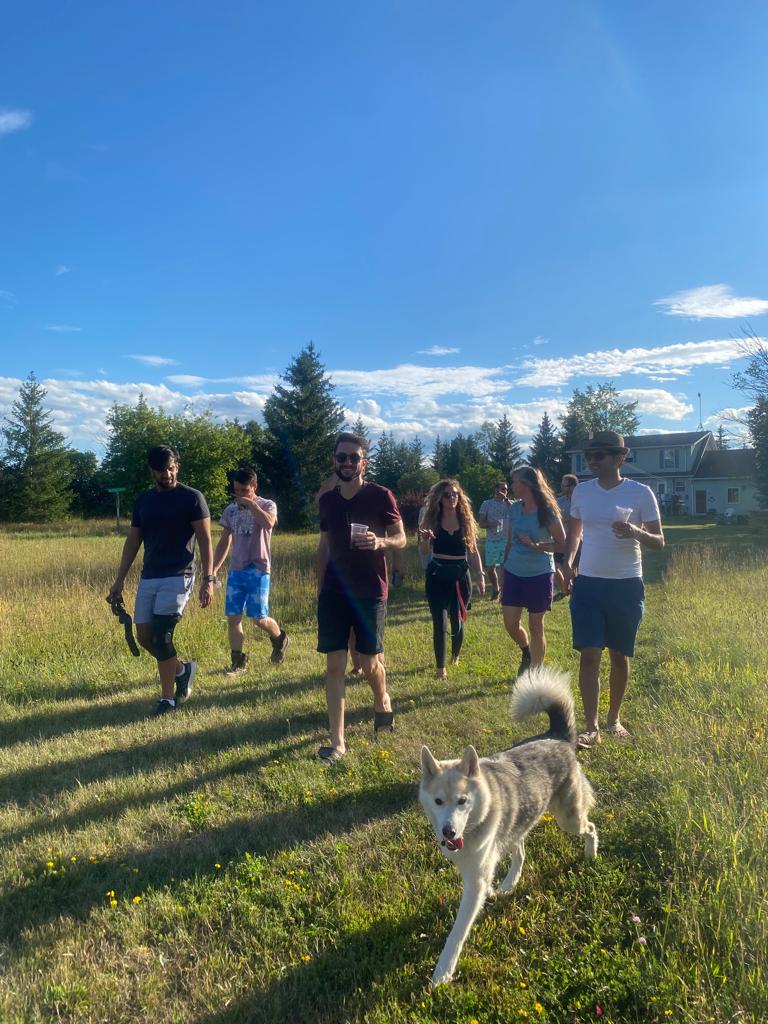
The Straight Fin Farms Tiny Home Community is not an escape from life — it is a return to balance. Designed as a quiet, intentional environment rather than a resort, the community invites guests to engage at their own pace with optional participation in farm activities, workshops, and community gatherings.
🏠
Thoughtful Dwellings
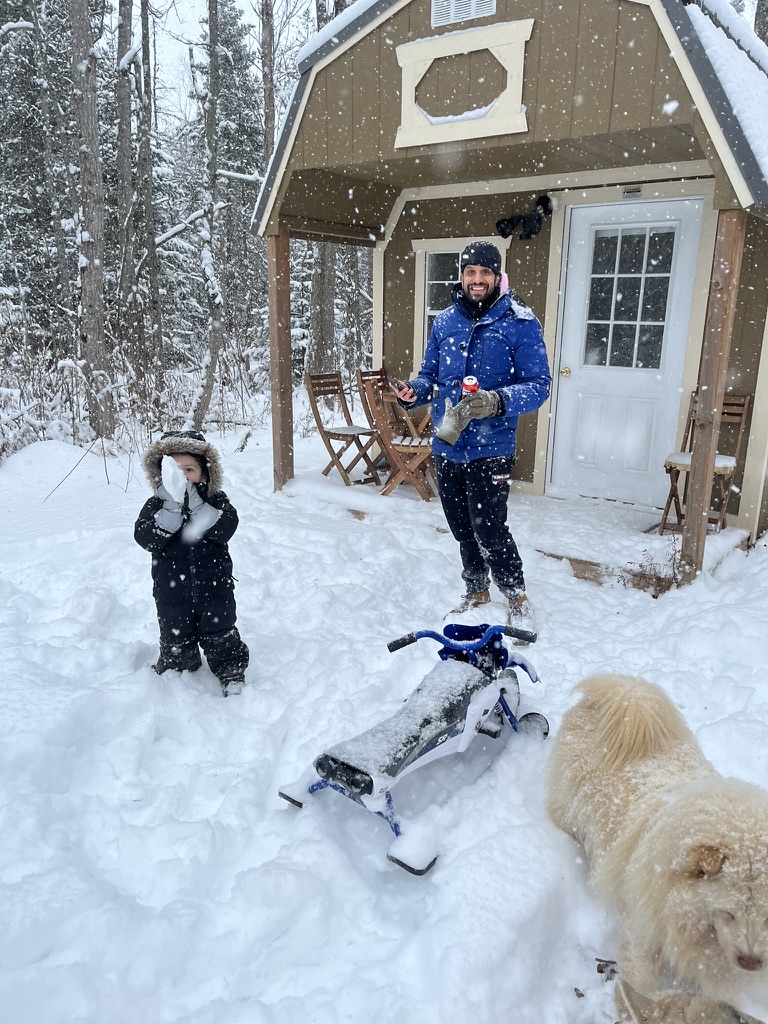
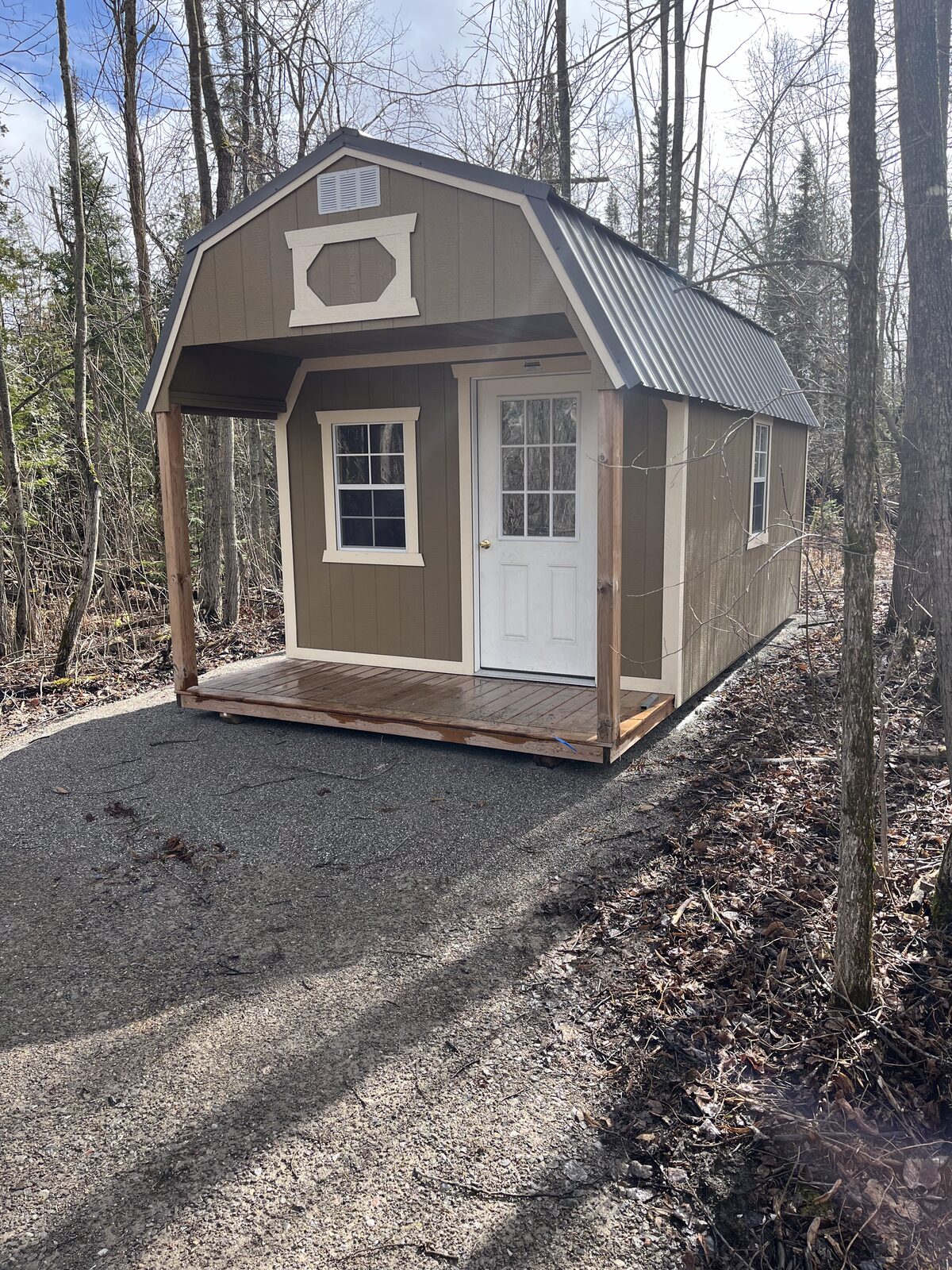
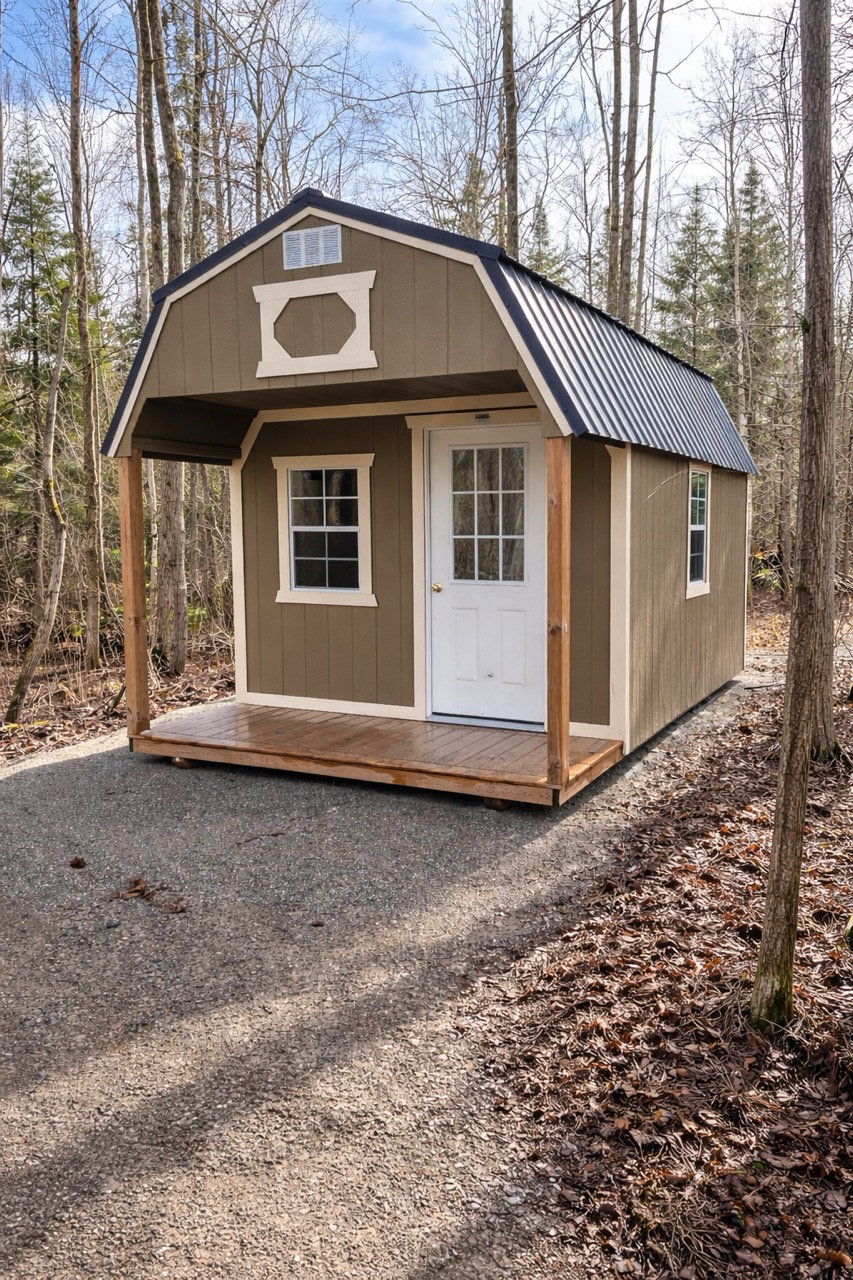
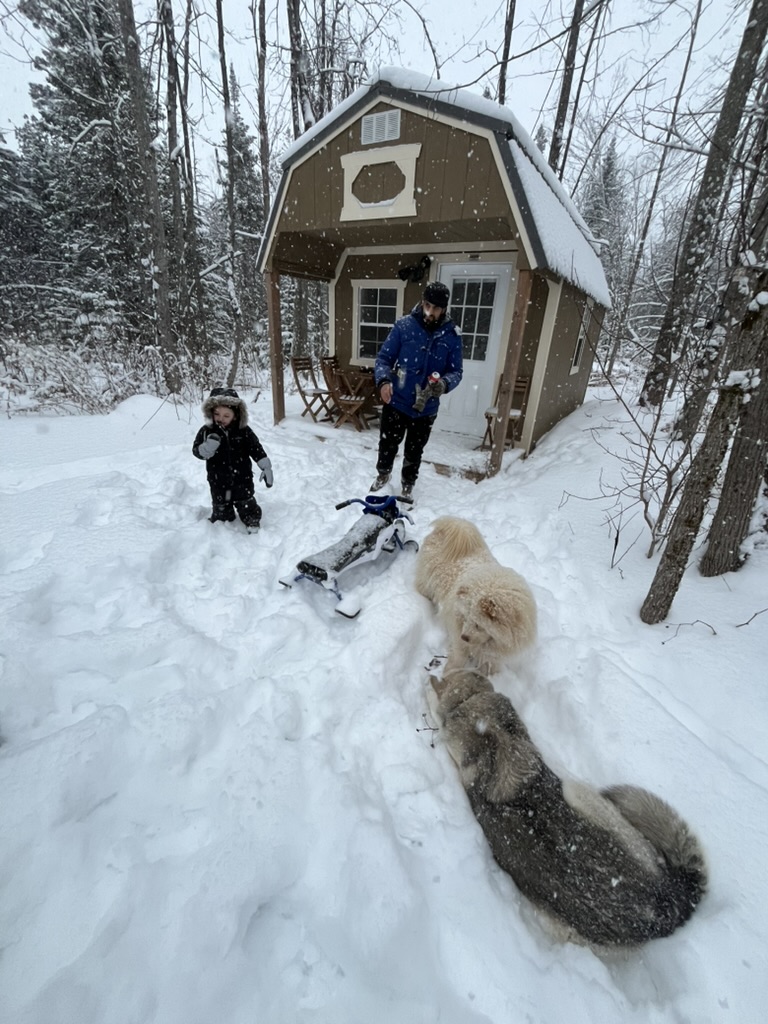
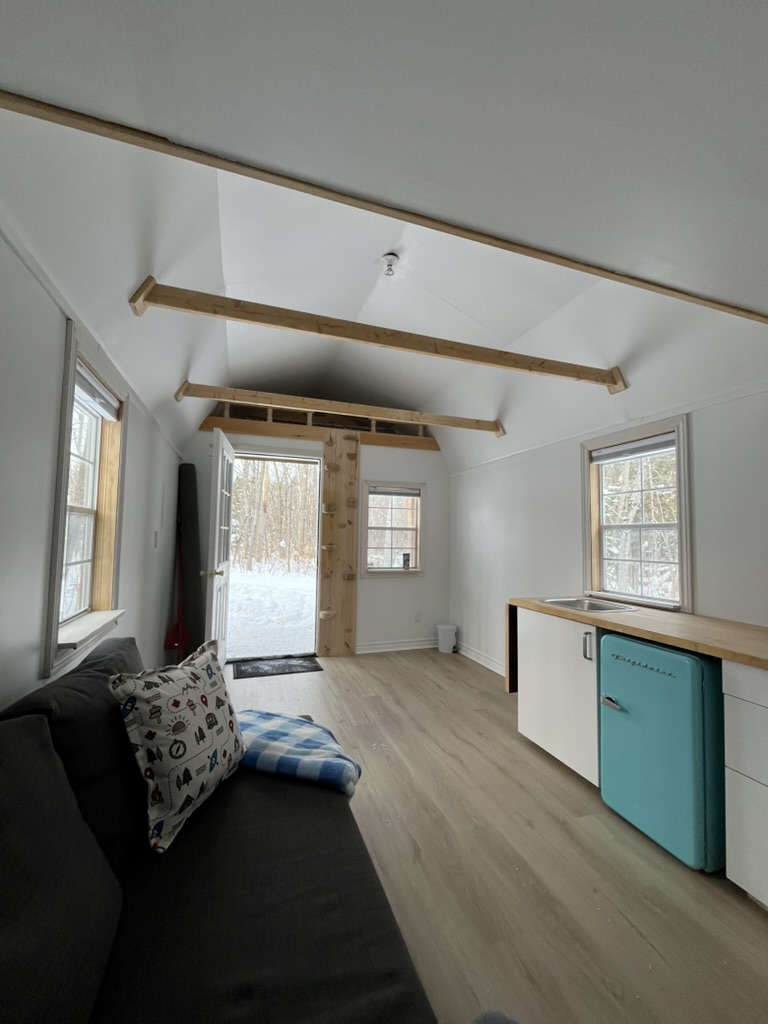
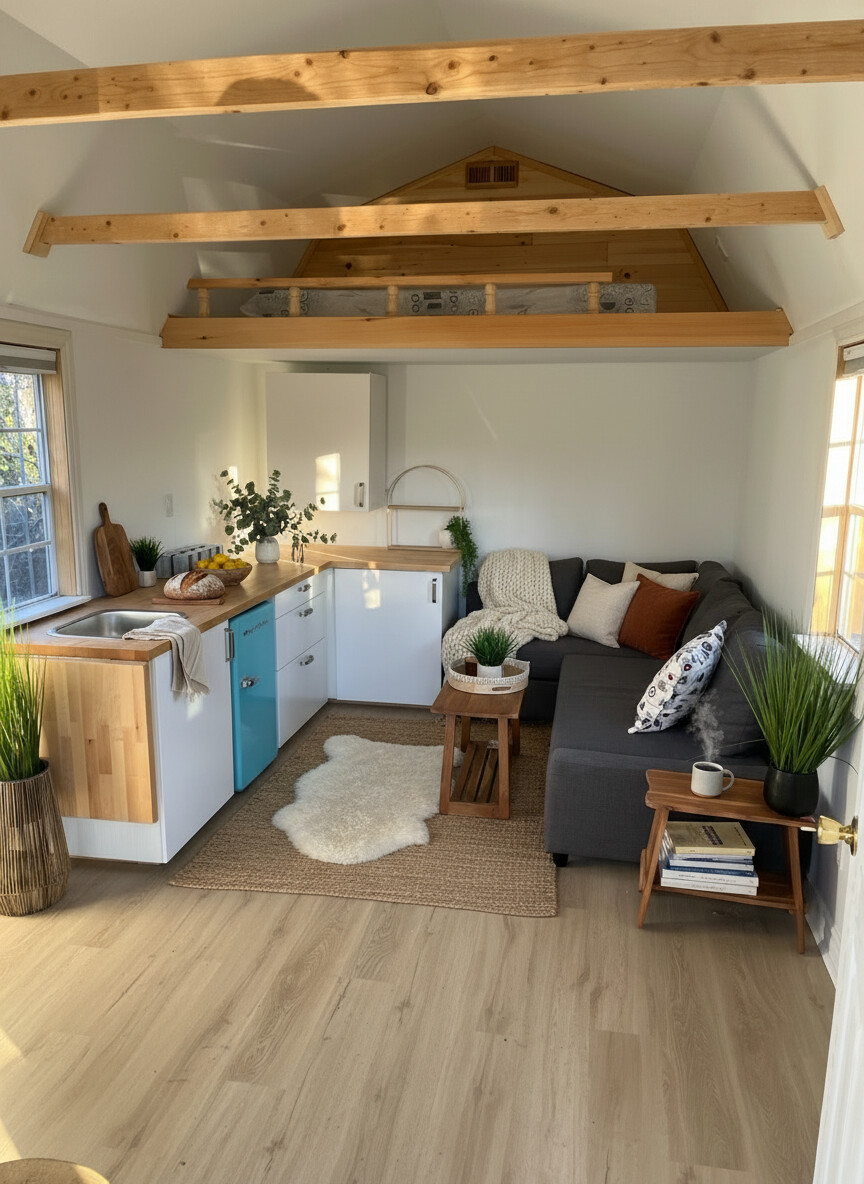
A limited number of small, thoughtfully sited homes with minimal environmental footprint, preserving the natural features of the landscape they sit within.
🌱
Greenhouse & Plenary
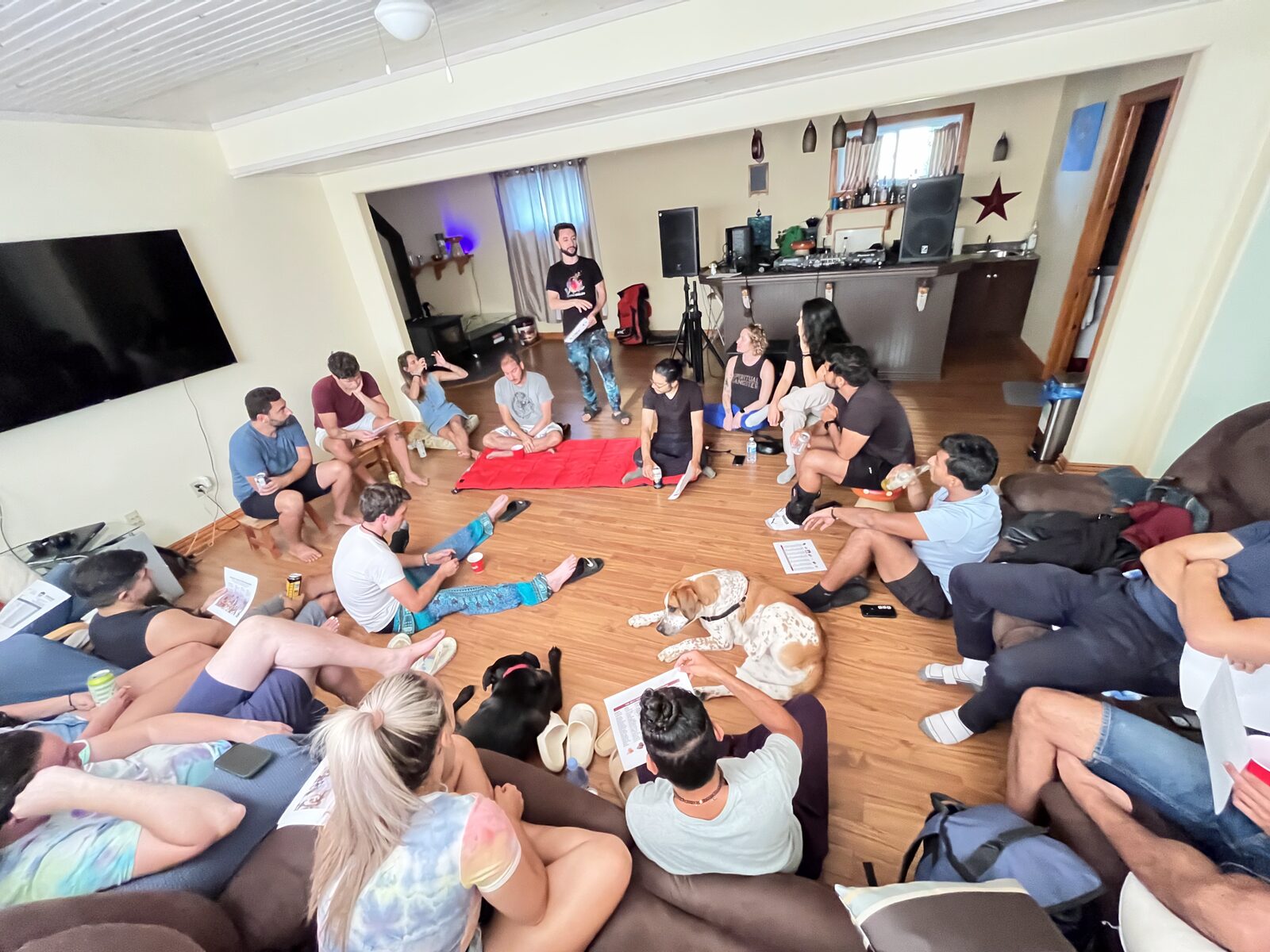
A plenary space that doubles as a greenhouse, showcasing our plant nursery and serving as a year-round classroom for permaculture courses and community gatherings.
🛂
Bathhouse
A dedicated bathhouse for day visitors to use without entering the main lodge — welcoming guests while maintaining the quiet rhythm of the community.
🤝
Shared Spaces
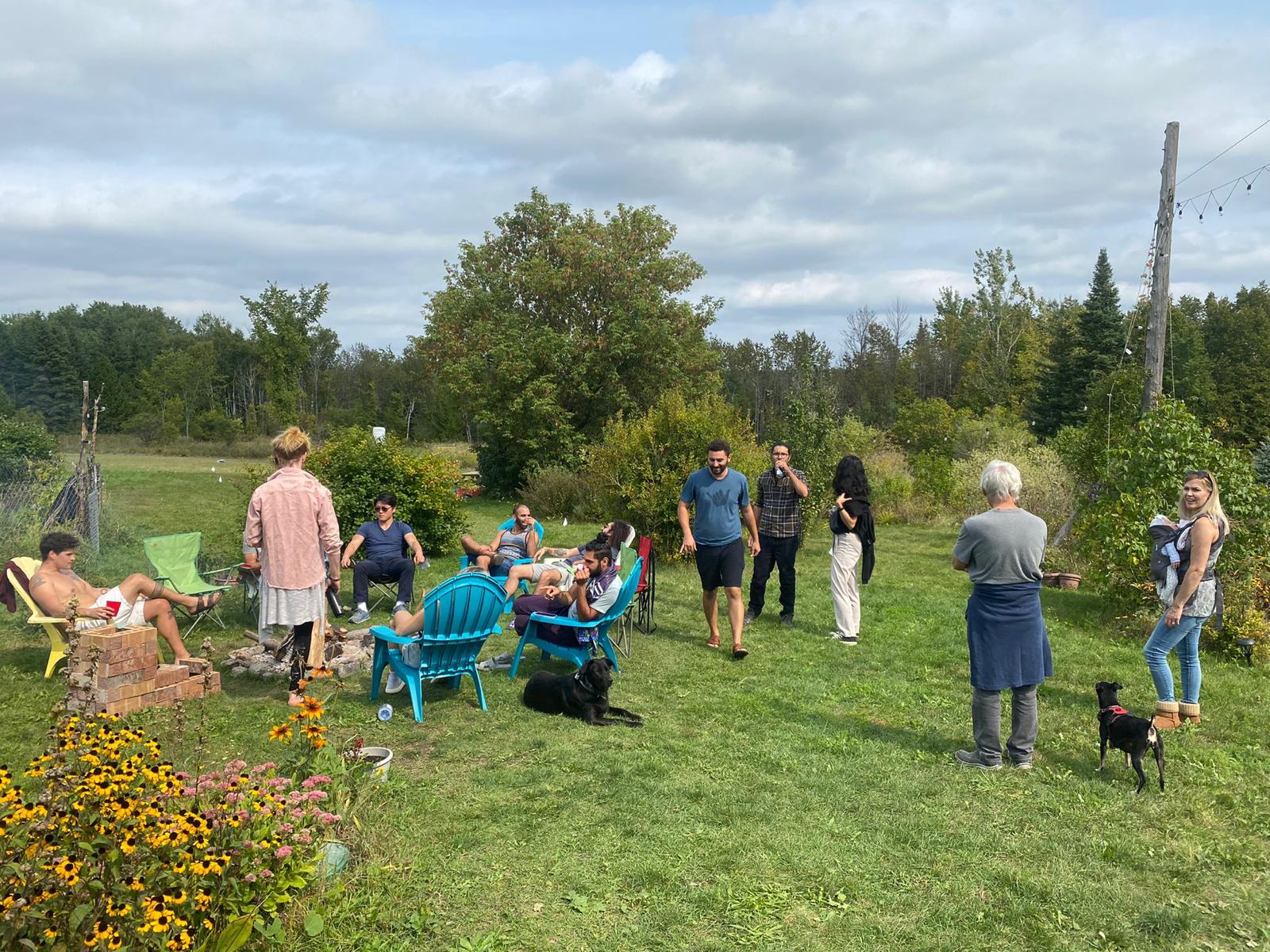
Common areas designed to encourage connection, reflection, and learning — from communal kitchens to fire pits and outdoor gathering spots.
🌅
Nature Immersion
Guests disconnect from digital and urban intensity, and reconnect with nature, personal reflection, and community at their own pace.
📚
Hands-On Learning
Optional participation in regenerative growing, permaculture workshops, farm tours, and land stewardship activities — learning by doing.
A Sustainable Funding Model
The tiny homes generate recurring income through short- and medium-term stays, with revenue reinvested directly into the farm's core mission. This creates a self-sustaining cycle where every guest stay funds real progress on the land.
Revenue supports soil regeneration and permaculture expansion, biodiversity and habitat restoration, educational programming and workshops, increased accommodations to grow our annual permaculture courses for a larger audience, and farm infrastructure that supports long-term sustainability.
Community Impact & Employment
The Tiny Home Community is designed to bring meaningful employment and economic growth to the local area. As the project grows, it will create a range of roles rooted in the farm's operations and values.
🌱
Groundskeeper
A full-time property manager responsible for patrolling, waste management, grounds maintenance, inspections, and logistics coordination.
🌲
Arborist
A dedicated arborist to manage the property's trees, forest health, and the developing orchard and food forest systems.
✨
Cleaning & Hospitality Staff
Support staff to maintain the tiny house units and shared spaces, ensuring a welcoming and well-kept environment for every guest.
🍴
Farm-to-Table Chef
A chef who utilizes farm-to-table ingredients for guest meals, sourcing directly from the farm and the surrounding local community.
🔨
Carpenter
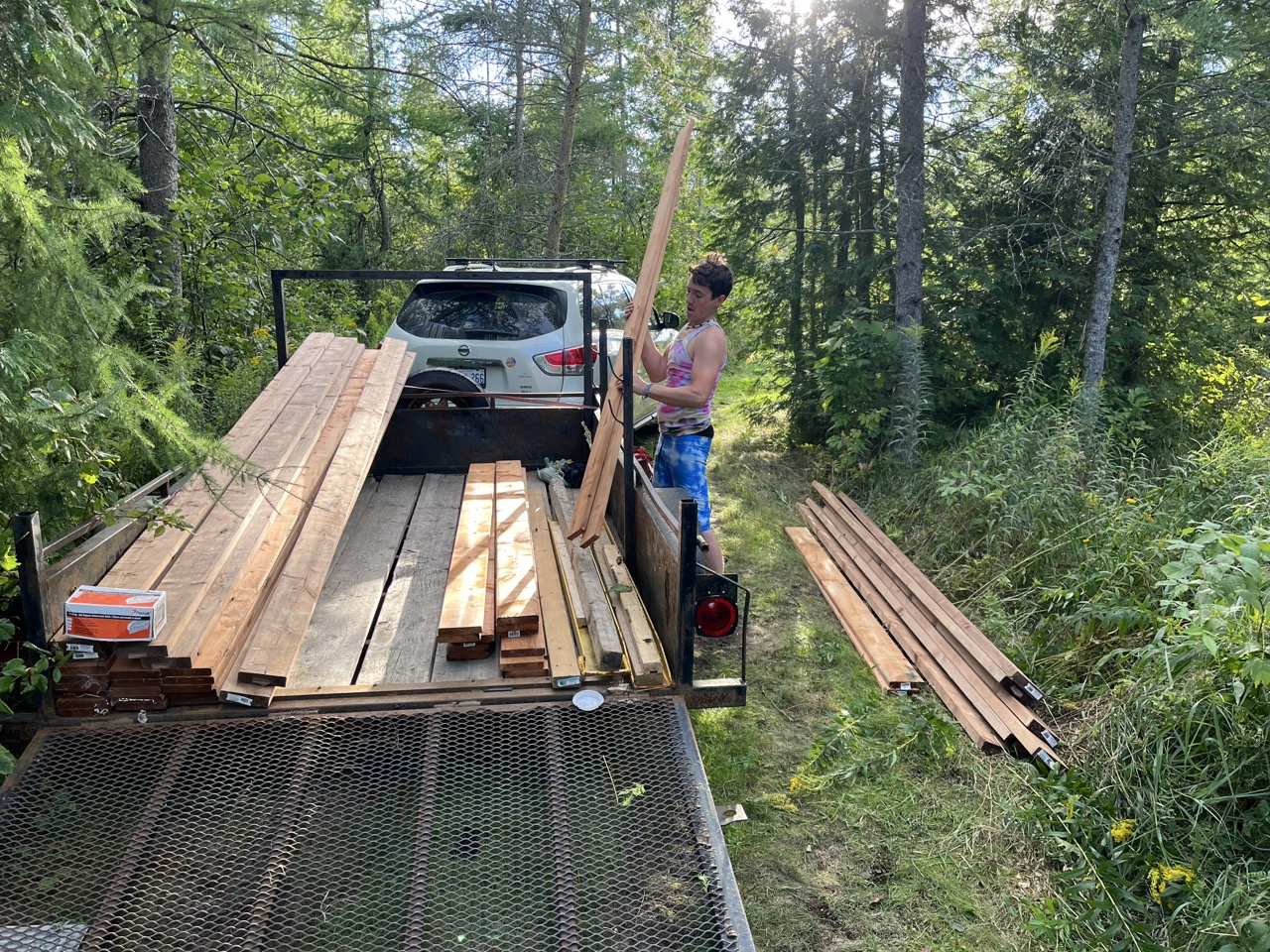
Continuing to leverage our current carpenter who maintains the property, builds new structures, and supports the incremental expansion of the community.
👥
Tour Guides
Guides who showcase the farm's operations and permaculture principles in action, bringing the story of the land to life for visitors and guests.
Long-Term Vision
Over time, the Tiny Home Community project will grow into a living example of how economic viability and ecological responsibility can coexist. By combining intentional living, regenerative land practices, and community learning, the project supports both the land and the people who experience it.
💰
Financial Sustainability
Ensure the long-term financial sustainability of Straight Fin Farms through diversified, mission-aligned revenue streams.
🏯
Local Economic Growth
Provide jobs and economic growth to the local community through farming, construction, hospitality, culinary, and education roles.
🌎
A Replicable Model
Demonstrate a viable model for low-impact rural living and biodiverse farming that others can learn from and adapt to their own land.
📚
Education & Knowledge
Spread knowledge and education around permaculture principles through courses, workshops, and the lived example of the farm itself.
🤝
Regenerative Community
Build a community aligned with regenerative values — people who care for the land, for each other, and for the future.